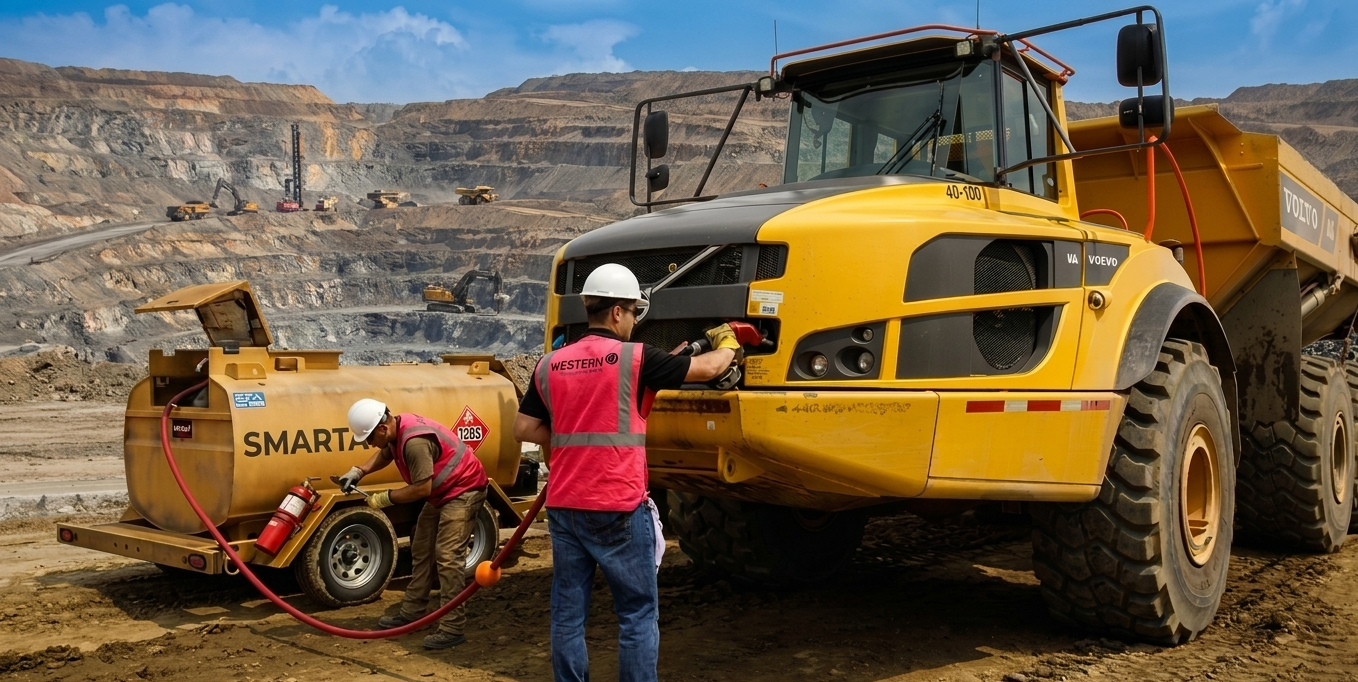
For industries that rely on heavy machinery—mining haul trucks, agricultural harvesters, and oil & gas fleet vehicles—fuel is not just an expense; it is the lifeblood of operations. As global fuel prices continue their volatile climb, the margin for error is shrinking. You cannot simply ask a haul truck to slow down to 90 km/h on a mine site, nor can you afford to have a combine harvester sit idle during harvest season. However, the principles of fuel efficiency apply just as critically to heavy industry as they do to passenger vehicles—they just require a more sophisticated approach.
the general advice to travel light is a constant struggle in agriculture and logistics. Every unnecessary 50 kg of weight increases fuel consumption. For a fleet of 50-100 trucks, that unused tool box or excess material adds up to hundreds of thousands of liters of wasted fuel annually.
While the average driver can manually check tire pressure and avoid jackrabbit starts, industrial operations need a centralized, intelligent system to monitor these variables across hundreds of assets simultaneously. This is where the ATRAMS vehicle monitoring system transitions from a “nice-to-have” to a non-negotiable component of survival.
The Industrial Cost of "Bad Habits"
In mining and agriculture, the “bad habits” of driving are amplified by scale. The general advice to reduce speed and avoid aggressive driving translates directly to harsh acceleration, harsh braking, and excessive idling on site. For a 50-ton mining truck, harsh acceleration doesn’t just burn fuel—it causes mechanical stress that leads to catastrophic downtime.
Similarly, the general advice to travel light is a constant struggle in agriculture and logistics. Every unnecessary 50 kg of weight increases fuel consumption. For a fleet of 50 trucks, that unused tool box or excess material adds up to hundreds of thousands of liters of wasted fuel annually.
AT ATRAMS We Turn Data into Fuel Savings
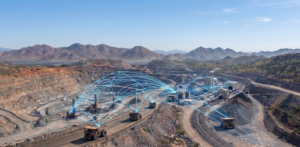
ATRAMS was built for this environment. By combining a smart IoT device (utilizing Canbus and GPS) with an intelligent analytics platform, we remove the guesswork from fleet management. Here is how ATRAMS industrializes the basic principles of fuel economy:
- Real-Time Eco Driving Analytics: you cannot manage what you cannot measure. ATRAMS monitors RPM, engine hours, and vehicle weight to create a detailed driver behavior profile. We track harsh acceleration, harsh cornering, and harsh braking in real-time. By identifying which operators are driving aggressively (the industrial equivalent of “jackrabbit starts”), fleet managers can provide targeted coaching. Correcting this behavior reduces fuel consumption by up to 33% on haul roads. This is supported by research published in Discover Sustainability (2024), which demonstrated that aggressive driving directly correlates with increased fuel use, while smooth, controlled driving – core principle of eco-driving – significantly enhances fuel efficiency.
- Idling Reduction Protocols: The advice to reduce idling is critical in heavy industries where equipment often runs 24/7. ATRAMS uses engine hour data to distinguish between necessary operational idling (like powering a refrigeration unit or hydraulic lift) and wasteful “lunch break” idling. By setting automated alerts, ATRAMS helps supervisors enforce anti-idling policies, saving thousands of liters per vehicle annually.
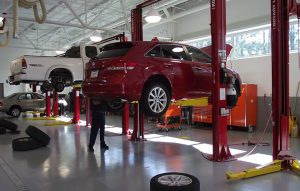
- Predictive Maintenance to Reduce Drag: Dirty oil and clogged air filters increase fuel consumption by up to 12%. In a dusty mining or agricultural environment, air filters clog fast. ATRAMS’ complete fleet management system automates maintenance planning and scheduling. Instead of relying on a calendar, ATRAMS uses actual engine hours and RPM data to predict exactly when a vehicle needs an oil change or filter replacement. This ensures engines are always running with optimal efficiency, preventing the “hidden” fuel tax of poorly maintained machinery.
- Weight Optimization: Using vehicle weight sensors integrated with the ATRAMS IoT device, you can monitor load capacity in real-time. Overloading increases fuel consumption and wear; underloading reduces efficiency per trip. ATRAMS helps you find the “Goldilocks” zone where every drop of fuel is converted into maximum productive output.
In industries where fuel is one of the top three operating costs, soaring prices don’t have to mean shrinking margins. By leveraging ATRAMS’ intelligent analytics and alert system, mining, agriculture, and oil & gas companies can enforce the discipline of fuel efficiency without slowing down production. It’s not just about monitoring vehicles; it’s about future-proofing your operations against the next spike at the pump.